For Homeowners, hoas, or local governments
Social Impacts of Living Shorelines
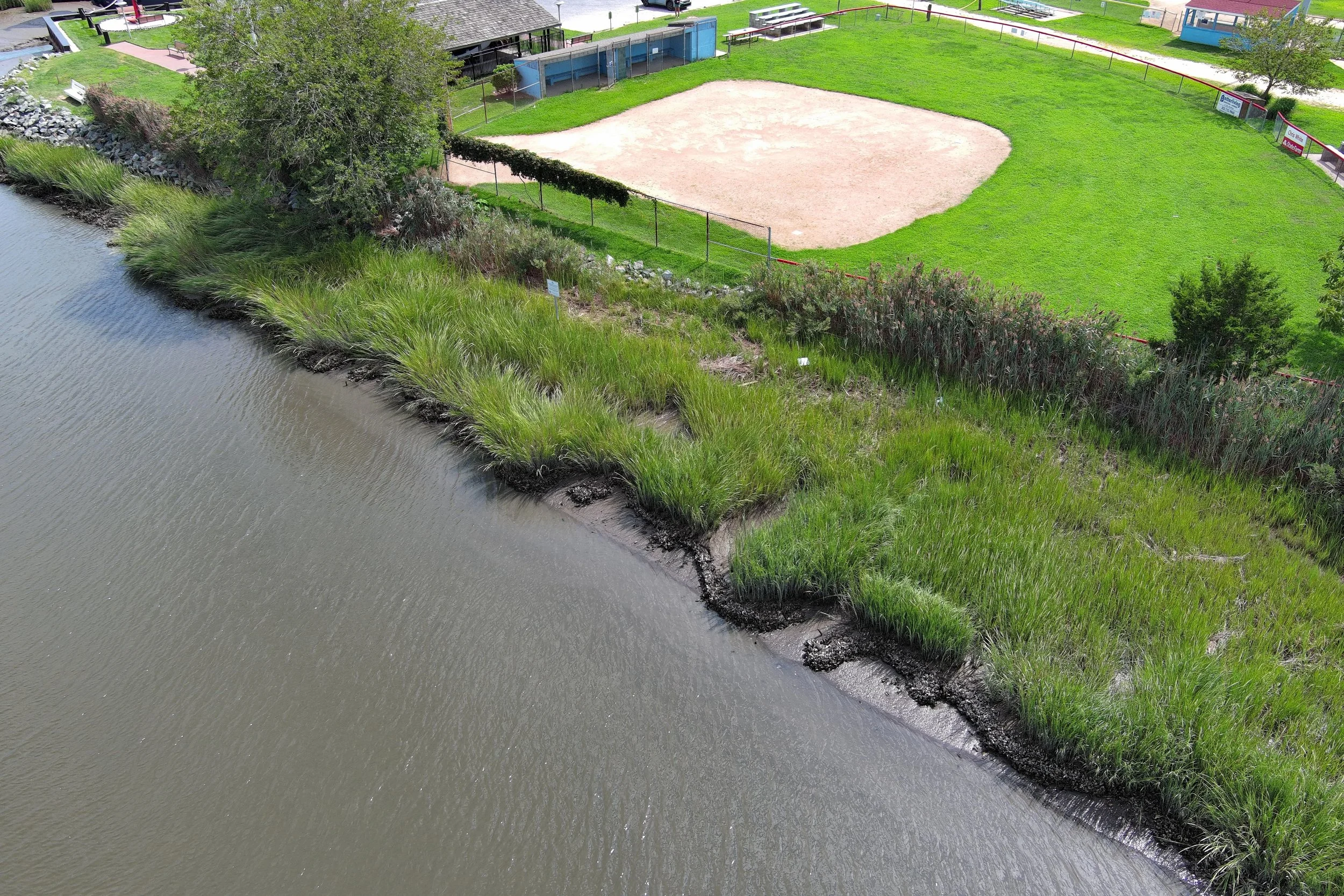
Increased recreational opportunities: living shorelines create attractive natural areas for activities like kayaking, fishing, birdwatching, and walking, enhancing recreational access for coastal communities.
Improved property values: by protecting shorelines from erosion and enhancing aesthetics, living shorelines can potentially increase property values for coastal homeowners.
Community engagement and stewardship: implementing living shorelines can foster a sense of community ownership and responsibility for coastal ecosystems, encouraging residents to participate in restoration efforts.
Enhanced cultural and aesthetic value: the natural beauty of living shorelines can contribute to a community's sense of place and identity, enhancing the overall aesthetic appeal of coastal areas.
Economic benefits from fisheries: by providing important habitat for fish and other aquatic life, living shorelines can support local fishing industries and recreational fishing activities.
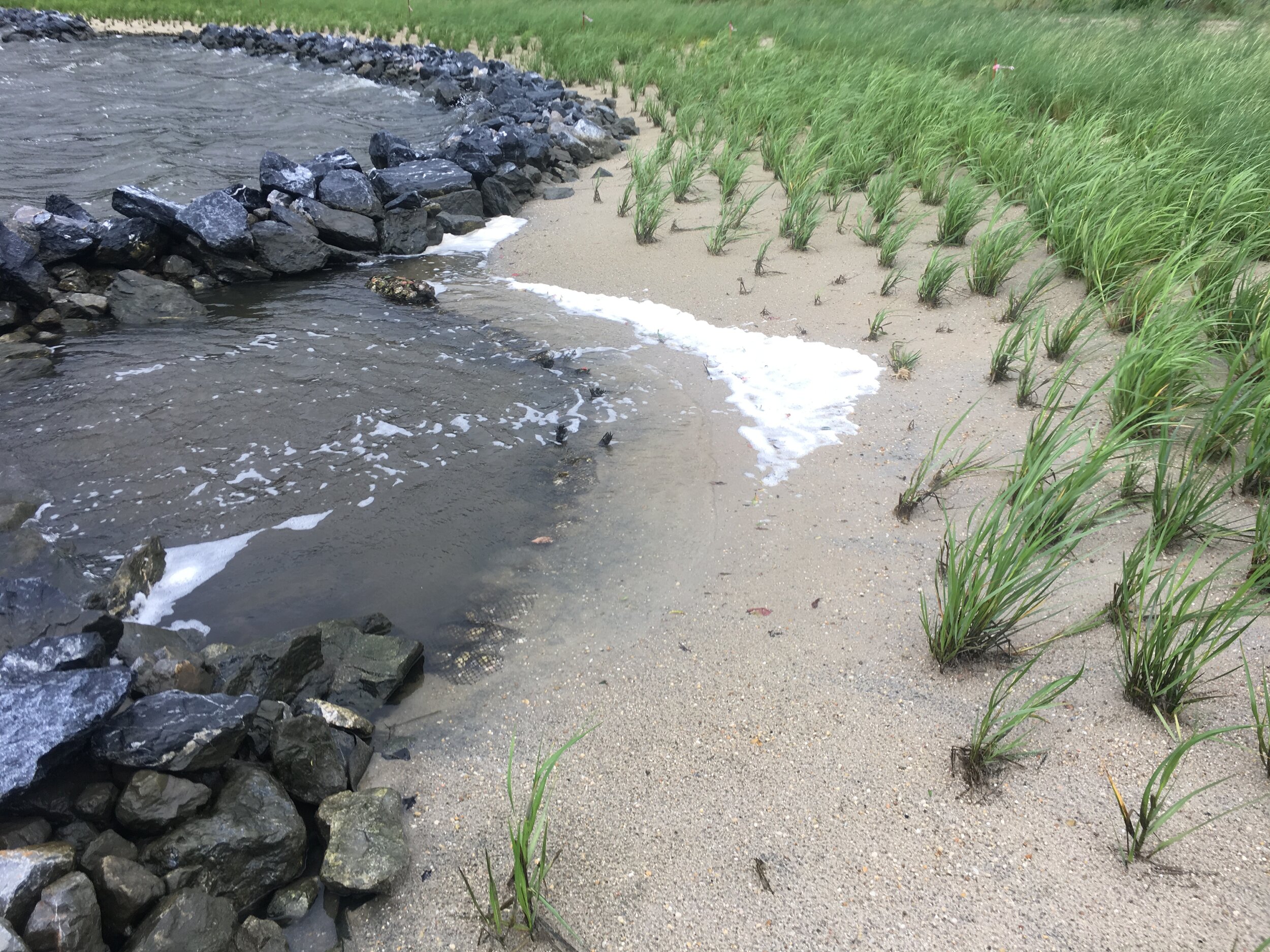
Climate change resilience: living shorelines act as natural buffers against storm surges and sea level rise, providing greater protection for coastal communities facing climate change impacts.
Environmental education and awareness: living shoreline projects can serve as educational tools to raise awareness about coastal ecology, ecosystem services, and the importance of sustainable practices.
Community engagement and involvement: to ensure successful implementation and community support, it is crucial to involve local residents in the planning and decision-making process for living shoreline projects.
Access and equity: ensure that living shoreline projects are accessible to diverse community members and consider potential impacts on marginalized populations.
Visual impact and aesthetics: design living shorelines to maintain a natural appearance and minimize potential negative aesthetic impacts on nearby properties.